




Getting Fume Hood Installation Right in Russian Laboratories
Installing a fume hood is one of those tasks where cutting corners can have serious consequences. A poorly installed fume hood is not just inefficient — it can be downright dangerous, creating false confidence in containment that simply is not there. In Russia, where laboratory safety standards follow the rigorous GOST system, getting the installation right from the start is not just good practice — it is a regulatory requirement. HJSLab has extensive experience with laboratory installations across Russia, from major research institutions in Moscow and Saint Petersburg to industrial quality control labs in Novosibirsk and Yekaterinburg. This guide covers what you need to know to ensure a successful installation.
GOST Standards for Laboratory Fume Hood Installation
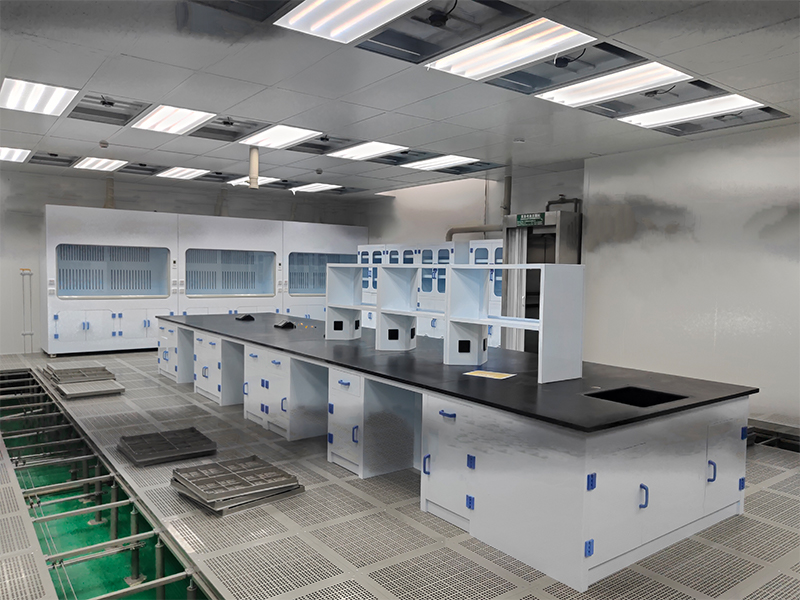
Russian laboratories operate under the GOST standard framework, which includes specific requirements for laboratory ventilation and fume hood installations. GOST R 53867 addresses general laboratory furniture requirements, while ventilation-specific standards align closely with international benchmarks like ASHRAE 110. Key requirements include maintaining a minimum face velocity of 0.5 meters per second at the sash opening, ensuring negative pressure in the laboratory relative to adjacent corridors, and providing adequate makeup air to replace the exhausted volume. HJSLab fume hoods are designed to comply with both GOST and international standards, giving Russian laboratories confidence in meeting all regulatory requirements. Documentation packages include test certificates and compliance declarations in Russian.
Ductwork Design and Exhaust System Integration
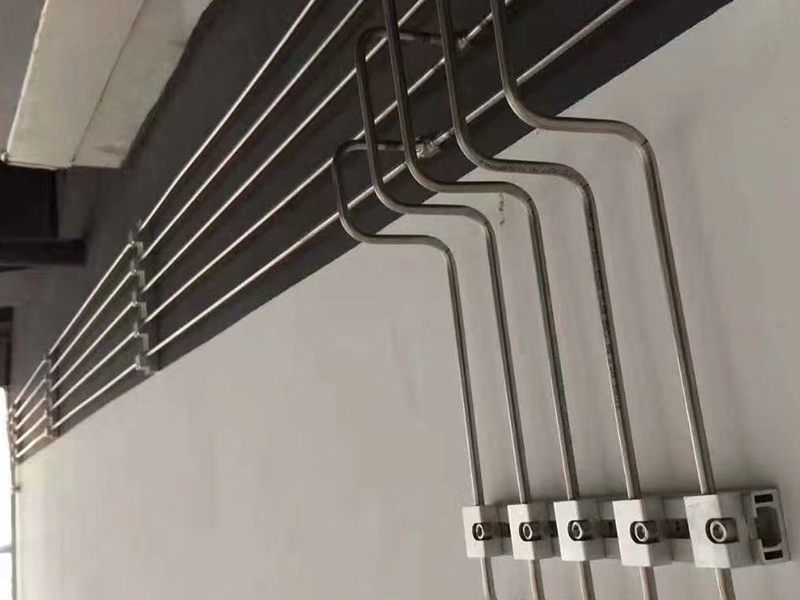
The ductwork connecting your fume hood to the building exhaust system is where many installations go wrong. HJSLab recommends the following best practices for Russian facilities. First, use corrosion-resistant materials appropriate for the chemicals being exhausted — PVC-coated galvanized steel for general chemistry, polypropylene for acid-heavy applications, and stainless steel for high-temperature exhaust. Second, minimize duct length and the number of bends to reduce pressure drop and maintain airflow. Third, size the exhaust fan to handle the total volume of all connected fume hoods plus a safety margin of at least 15 percent. Fourth, install a variable air volume (VAV) control system if your laboratory has multiple hoods that may not all operate simultaneously — this saves significant energy costs during Russian winters when heating conditioned air is expensive.
Electrical and Utility Connections
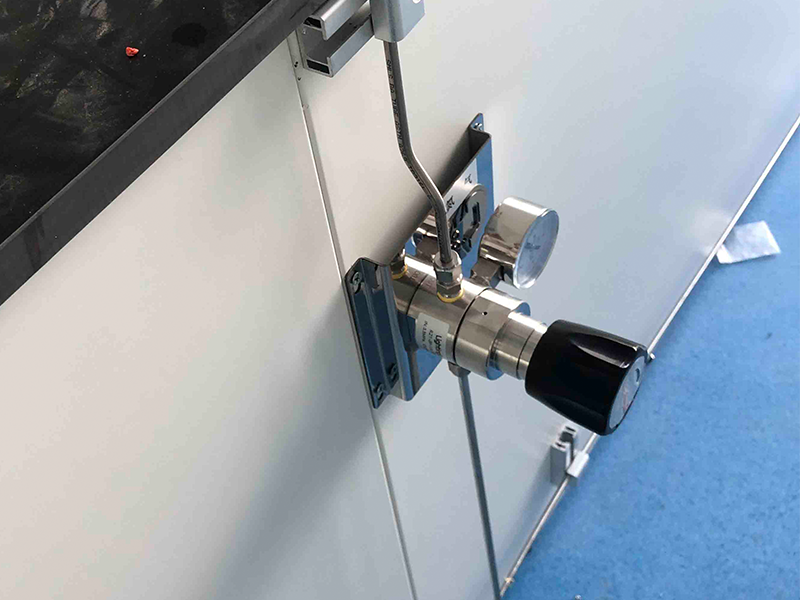
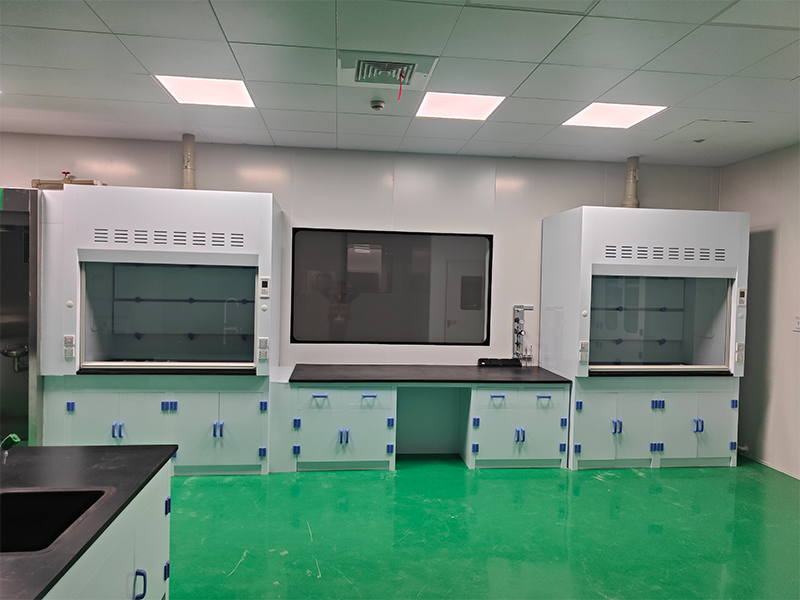
Modern fume hoods require more than just a duct connection. Electrical power is needed for internal lighting, airflow monitors, and sash motor drives if equipped. Gas connections may be required for laboratory gas supply points inside the hood. Water supply and drainage connections support integrated cup sinks and emergency eyewash stations. In Russian installations, all electrical work must comply with the PUE (Rules for Electrical Installations) and be performed by licensed electricians. HJSLab provides detailed installation drawings showing all connection points, load requirements, and recommended circuit configurations to ensure safe and code-compliant installations.
Commissioning and Handover with HJSLab
After physical installation is complete, proper commissioning is essential before the fume hood enters service. HJSLab's commissioning protocol includes face velocity measurement across a minimum nine-point grid, smoke visualization testing to verify containment patterns, verification of all alarms and safety interlocks, sash balance and limit switch testing, and documentation of all results for regulatory compliance files. Our Russian-speaking technical team provides on-site commissioning services and can train your laboratory staff on proper operation and basic maintenance procedures. With HJSLab, you are not just buying a fume hood — you are gaining a technical partner committed to the safety of your laboratory. Contact our Moscow office for project consultation.