



Picking the right lab bench is a big deal for Russian research centers. Let’s look at steel versus polypropylene (PP) benches and see what actually matters on the ground.
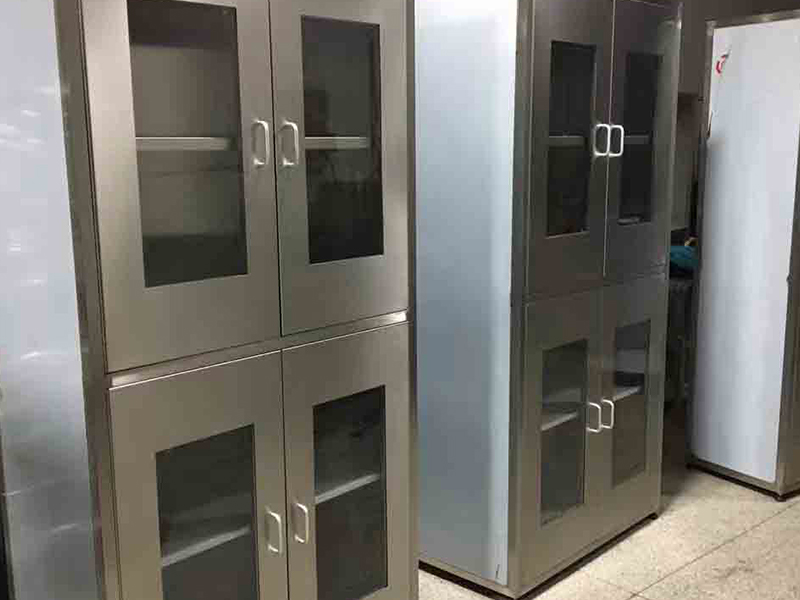
So, first up: material. Steel benches have been the go-to in Russian labs for ages. These days, they come with tough coatings that help them stand up to the usual challenges of Russian labs—think spills, scrapes, and heavy gear. Cold-rolled steel holds up under the weight of bulky scientific equipment, which you’ll find in physics or materials science labs.
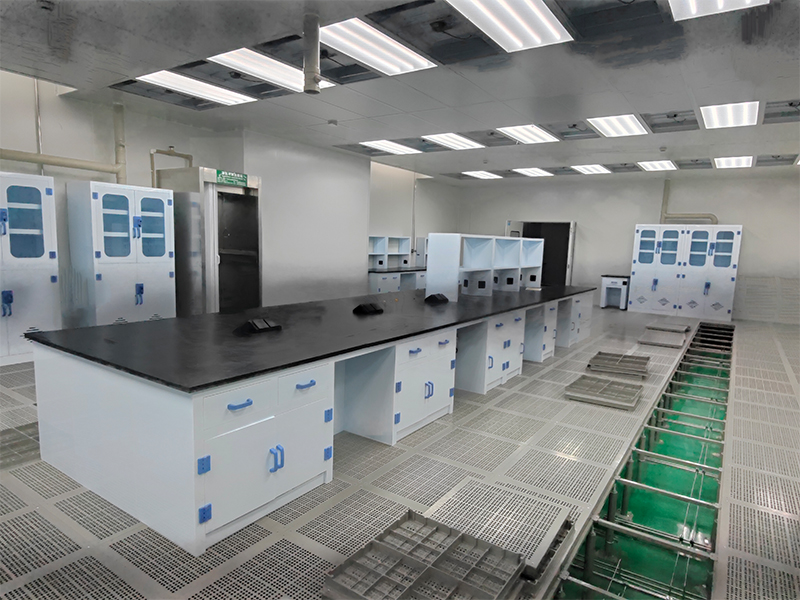
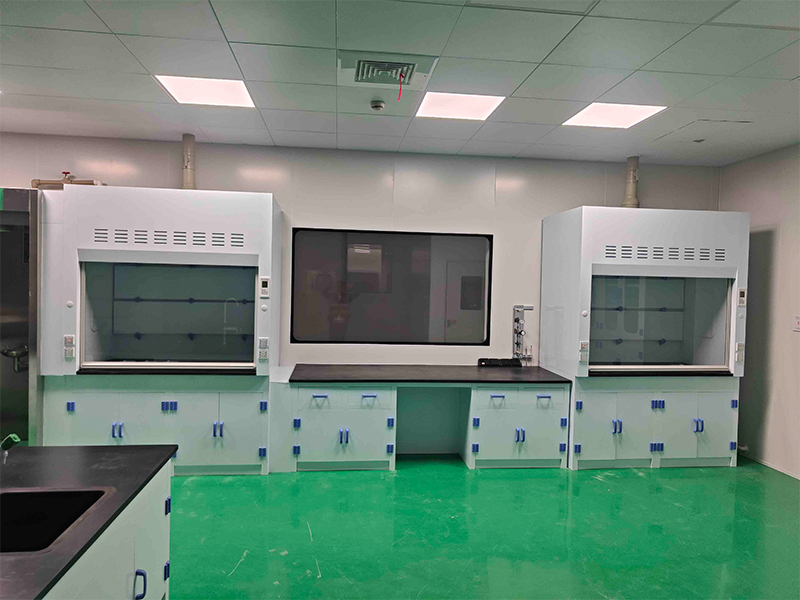
On the flip side, polypropylene benches are a newer arrival. Russian chemical and biology labs are picking them up fast. Why? PP is naturally resistant to chemicals—doesn’t even need a special coating for that. It can also handle big swings in temperature, which is a lifesaver in places with harsh winters and hot summers.
Now, let’s talk about how long these benches actually last. If you keep up with maintenance, steel benches with epoxy or powder coatings can easily serve you for 15–20 years. The catch? If the coating gets chipped or scratched, rust is right around the corner. Regular checks and quick repairs are key.
PP benches usually stick around for 10–15 years, and they don’t really change much as they age. Since their chemical resistance goes all the way through, there’s no coating to fail in the first place.
What about chemical spills? Steel benches with a good epoxy coating can stand up to most everyday acids, bases, and solvents. But if you’re working with super-strong acids or harsh chemicals, they’ll eventually eat through the coating. PP benches shrug off concentrated sulfuric and hydrochloric acids, plus most organic solvents. That’s why they’re a favorite for chemists and quality control labs dealing with the tough stuff.
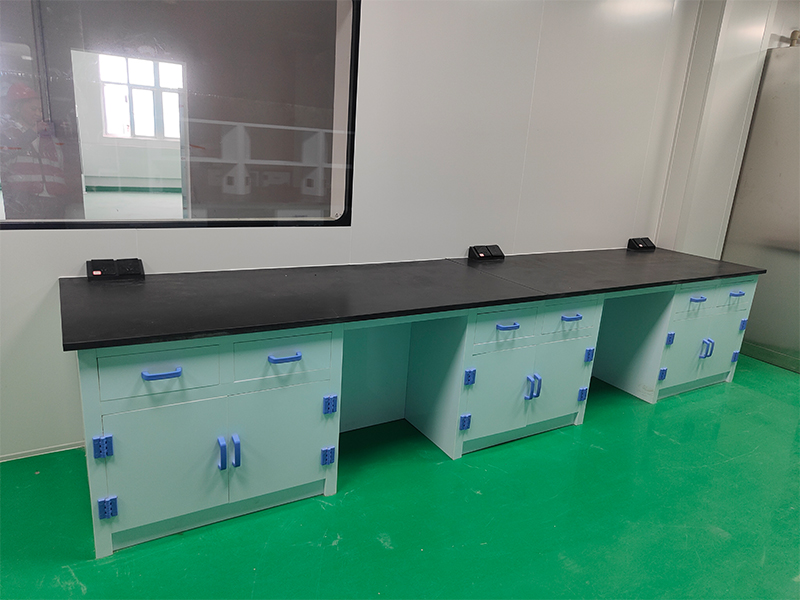
Temperature is another thing to think about. Russian labs aren’t exactly known for tropical weather. Steel benches stay solid in the cold but can feel icy to the touch—maybe not what you want in January. PP benches are better insulated and just feel nicer to work on when it’s freezing outside.
On cost, steel benches are cheaper up front—usually 15–25% less than PP. But if you’re running a chemical lab where maintenance and chemical damage are regular headaches, PP could actually save you money over 15 years because there’s less to fix.
So, what’s the bottom line? For general labs and classrooms, steel makes sense. It’s tough, affordable, and perfect when you’re not working with nasty chemicals. Physical testing labs also need steel’s strength for heavy machinery. If your work involves concentrated acids, PP is the safer bet. Pharma quality control? PP’s easy to clean and holds up against chemicals. Bio labs? PP works well there too, since bacteria have a hard time sticking to it.
Both types need pro installation if you want them to last. Steel benches need their coating checked now and then. PP doesn’t take much upkeep, just keep it away from direct heat sources.
In the end, you have to look at what your lab actually does—how much chemical exposure, what your budget looks like, and how long you need these benches to last. There’s no one-size-fits-all answer, but knowing your options makes the choice a lot easier.