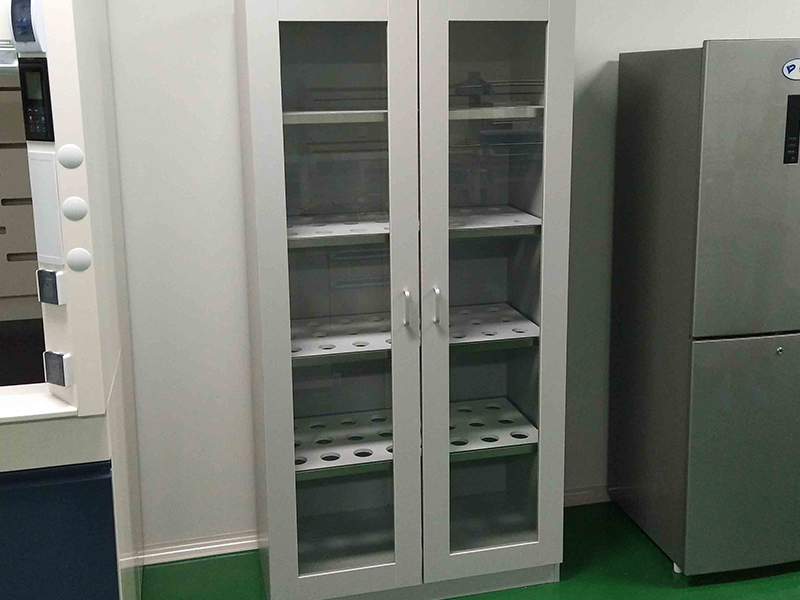





Russian research institutes and universities know this problem well: a lab built for one purpose today needs to serve a completely different function two years from now. Fixed benches bolted to the floor make that kind of change expensive and slow.
HJSLab, a laboratory furniture manufacturer headquartered in Suzhou, China, has developed a modular steel-wood bench system specifically designed for labs that need to evolve. The concept is straightforward — standardized bench modules that connect, disconnect, and reconfigure without specialized tools or construction crews.
How the Modular System Works
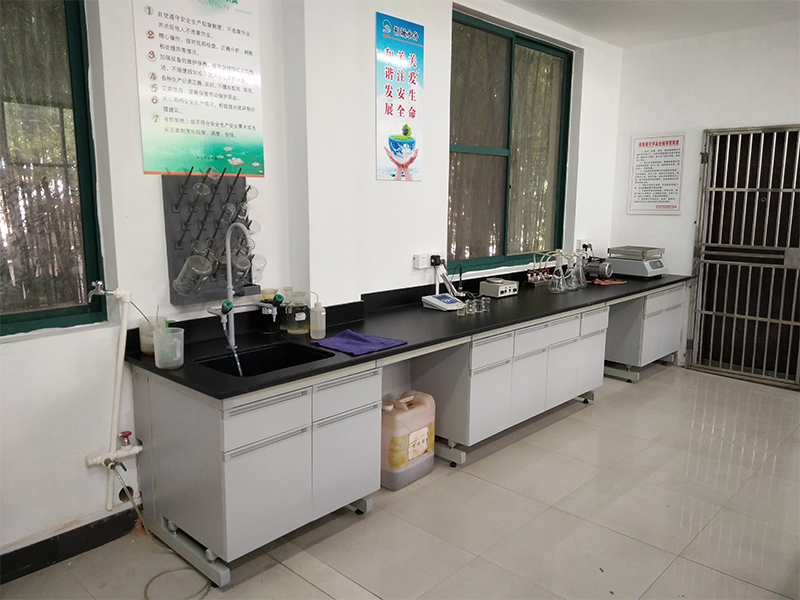
Each HJSLab steel-wood module is a self-contained unit: a welded steel C-frame or H-frame base, a wood-composite cabinet body, and a separate worktop panel. Modules come in three standard lengths — 750mm, 1000mm, and 1500mm — with consistent width (750mm for wall benches, 1500mm for island benches).
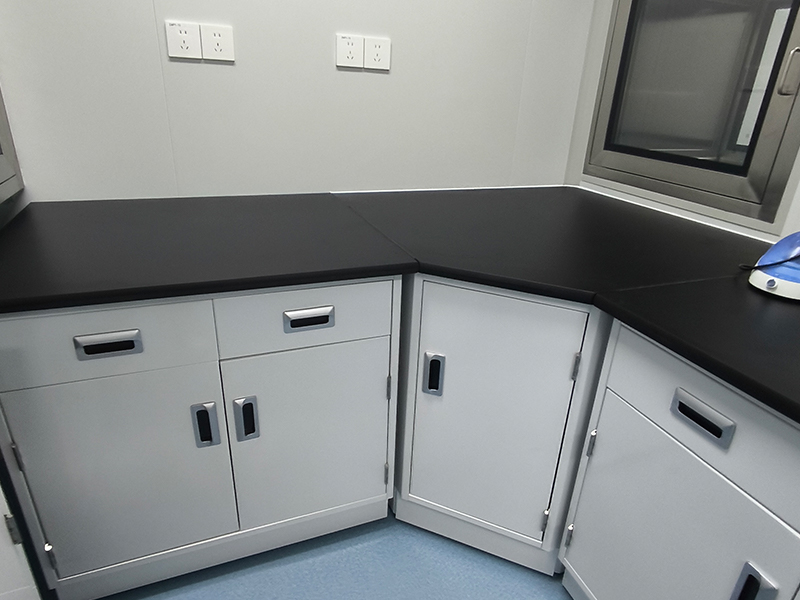
Connection between modules uses HJSLab's quick-lock clamp system. Two people can join or separate modules in about 15 minutes per unit. The worktop panels bridge across module joints using embedded connector plates, and a bead of sealant at each joint prevents liquid penetration. The alignment tolerance is plus or minus 1mm — tight enough that the seam is barely visible once sealed.
Why Steel-Wood Works Better for Modular Design
Weight is the practical reason. A full steel 750mm module weighs 50 to 60 kg. The steel-wood equivalent weighs 35 to 40 kg — almost half. When you're rearranging a lab, that difference matters enormously. Two technicians can move a steel-wood module without equipment.
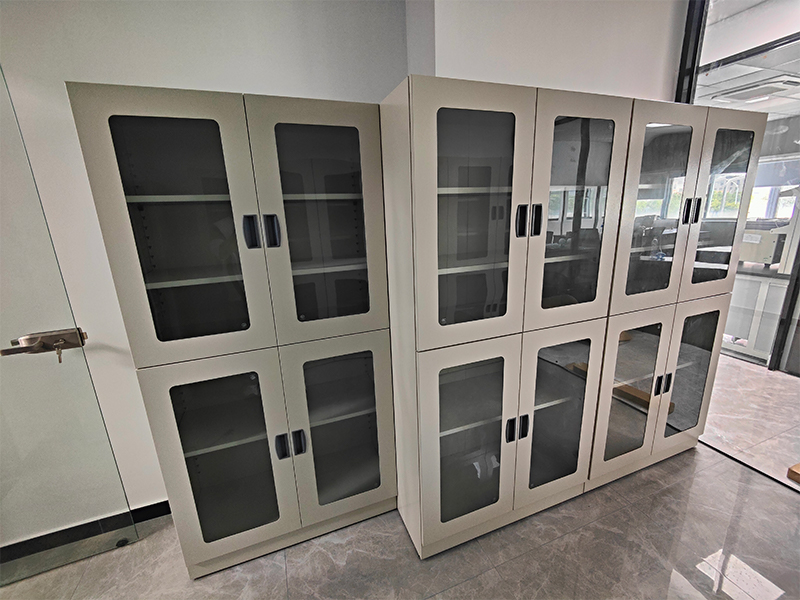
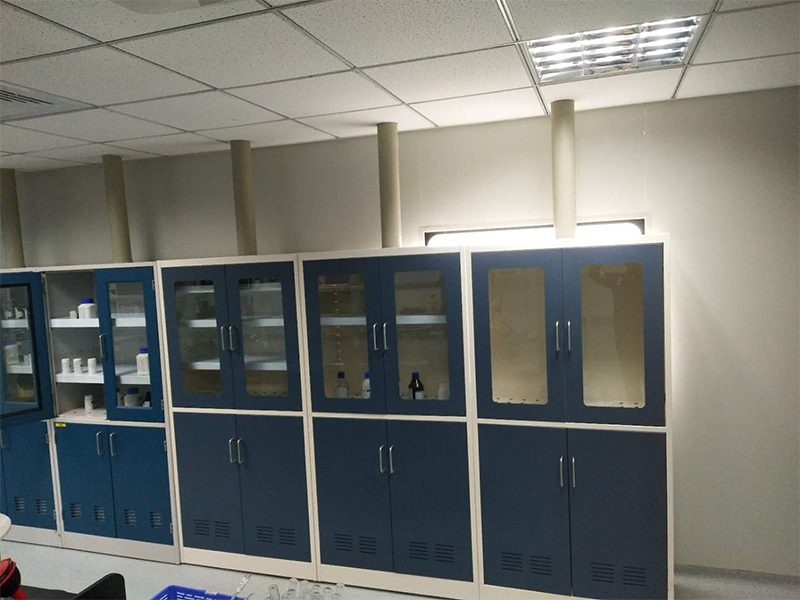
The steel-wood structure also allows cabinet swapping. The steel frame is permanent; the wood-composite cabinet inserts are interchangeable. Need to switch from a three-drawer unit to an open shelf unit? Pull out one cabinet, slide in another. Same frame, different function.
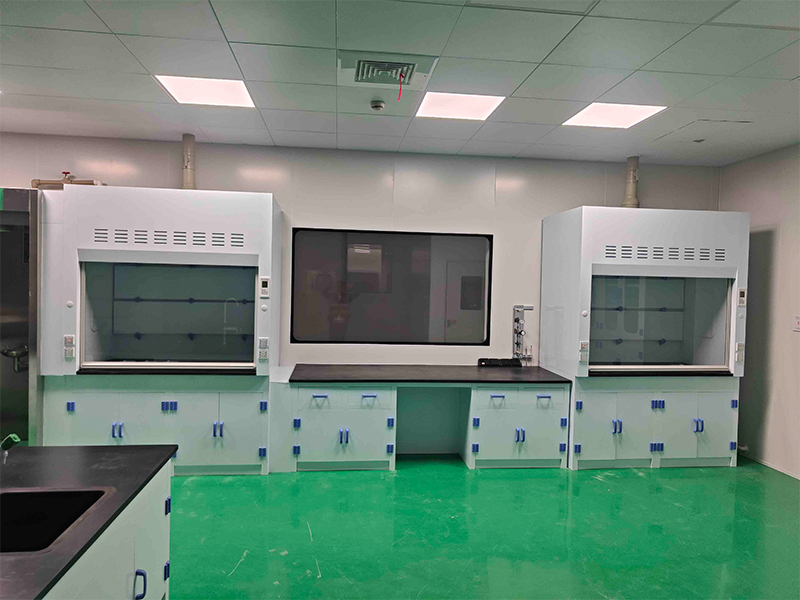
Worktops are independent too. Start with phenolic resin for general chemistry, switch to epoxy resin later if your research shifts to more aggressive chemicals — without touching the frame or cabinets.
GOST Compliance from a Chinese Factory
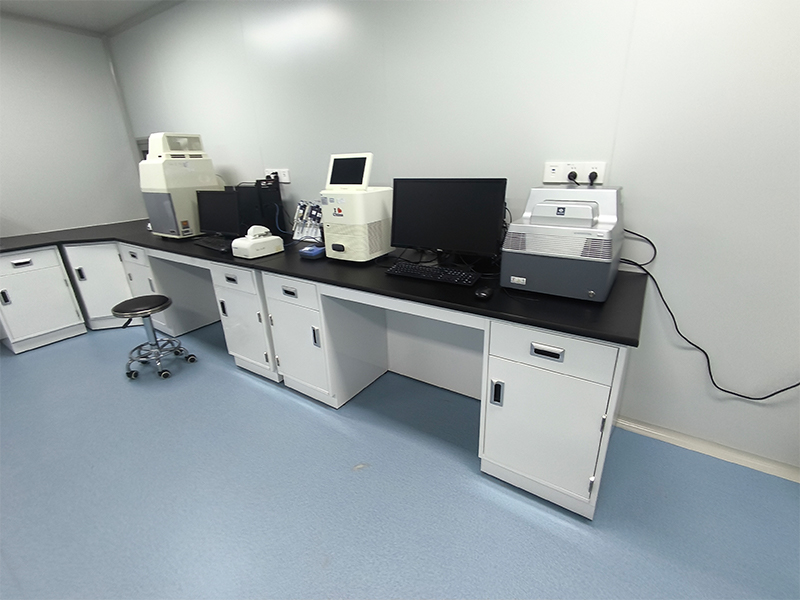
HJSLab's steel-wood modules meet GOST R requirements for laboratory furniture, including structural stability testing under rated loads, surface chemical resistance per GOST 27.003, and formaldehyde emission limits for wood-composite materials per GOST 32155.
Every batch shipped to Russia includes GOST-compliant documentation and material certificates. HJSLab's quality team runs the relevant tests in-house before shipping, and can arrange third-party GOST certification through accredited Russian testing labs when required.
Logistics: China to Russia Is Faster Than You'd Think
Rail freight from Suzhou to Moscow takes roughly 14 to 18 days via the China-Europe rail network. That's faster than sea freight from Western European manufacturers and comparable in cost. HJSLab handles export documentation, customs clearance support, and can arrange delivery to research institutions across Russia's major cities — Moscow, Saint Petersburg, Novosibirsk, Yekaterinburg.
The pricing advantage is significant: HJSLab's modular steel-wood benches run 30 to 40 percent below comparable European brands, with no compromise on material quality or structural performance.
For Russian labs that need flexibility built into their furniture — not flexibility as an afterthought — HJSLab's modular system is worth a serious look.