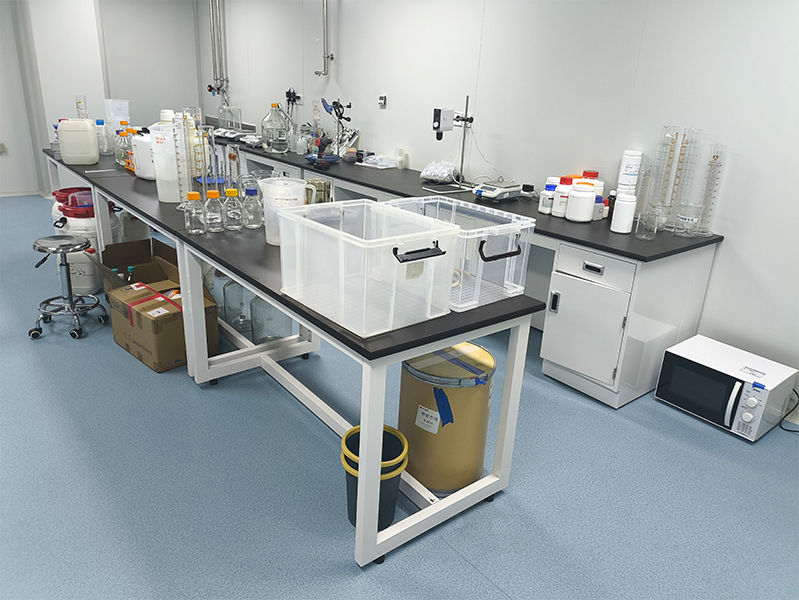





Why Glassware Cabinets Matter in Russian Labs
Step into a lab anywhere in Moscow, Saint Petersburg, or Novosibirsk, and you’ll spot one thing right away: the glassware is always organized—like, really organized. Volumetric flasks are lined up behind glass doors, cylinders grouped by size, every piece sitting exactly where it should. That doesn’t just happen. It starts with a good glassware cabinet.
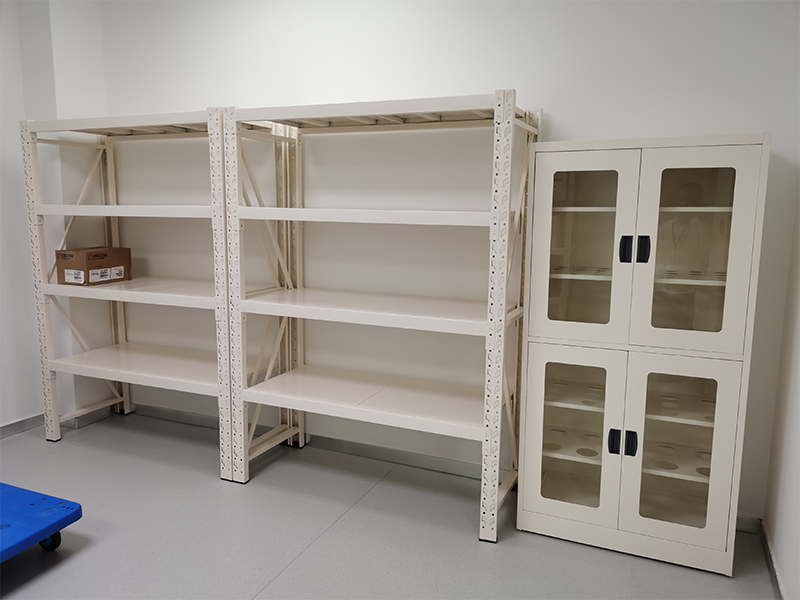
Russia’s labs cover all the bases. You’ve got big pharmaceutical plants gearing up for GMP certification and university chemistry departments training future scientists. Every day, they depend on glass labware, and they can’t cut corners. GOST standards run the show here. These rules aren’t suggestions. They’re baked right into how Russian labs work.
Understanding GOST Standards for Lab Storage
You need to know two GOST standards before picking out a cabinet. GOST 22360-95? That one sets the types and dimensions of lab cabinets, even the fume cupboards. GOST 25336-82 spells out what counts as proper lab glassware, from size to shape. And these specs matter. Your cabinet has to fit GOST 25336-82 glassware exactly. The cabinet itself needs to handle the expectations in GOST 22360-95—think sturdy build, enough thickness, good finish. When your storage checks those boxes, auditors won’t hang around—they’ll mark you as compliant and move on.
What Makes a Good Glassware Cabinet?
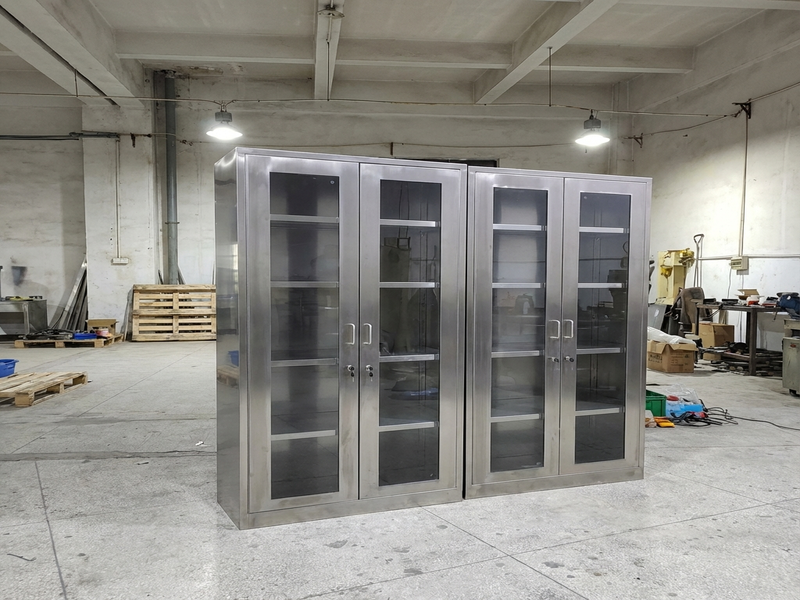
Besides passing inspections, the best glassware cabinets just make life easier. Go for cold-rolled steel, at least 1.0 mm thick—it’ll survive years in the lab. The epoxy powder-coated finish stands up to chemical splashes and corrosion, which is crucial if you’re working with acids or solvents.
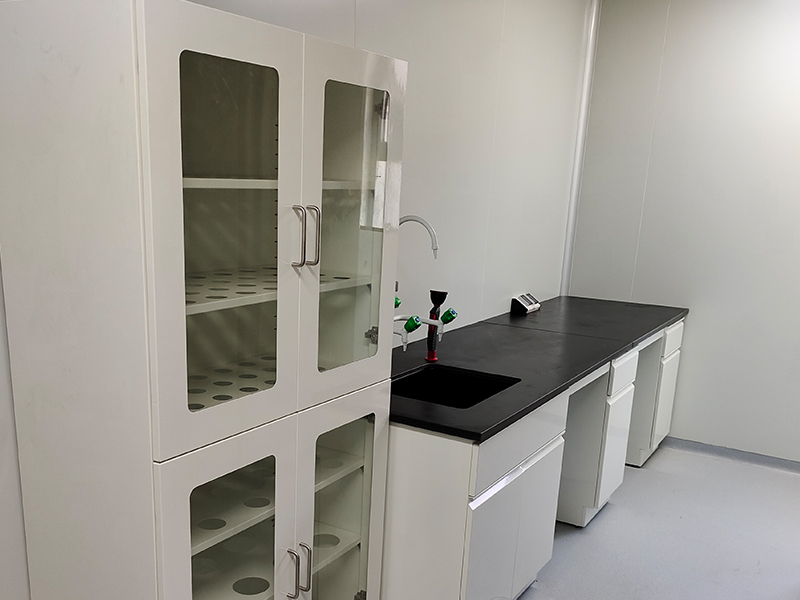
Tempered glass doors? You can see what’s inside without opening anything, so you don’t risk contaminating glassware, and it saves time. Shelves you can adjust every 25 mm mean you can fit just about any glassware you’ve got. A drip tray at the bottom catches spills and condensation, keeping things tidy. And vents or exhaust hookups prevent fumes from building up inside, so your glassware stays dry and clean.
Standard cabinet size—900 mm wide, 450 mm deep, 1800 mm tall—fits into almost any lab, with space left for your workbenches.
HJSLab Solutions for the Russian Market
HJSLab (aka Hua Ju Sheng) builds cabinets tough enough for labs anywhere, including Russia. They use all-steel welded frames, adjustable shelving, corrosion-resistant powder coating, and solid ventilation. If your lab needs something specific—color, size, modular expansion—they’ll customize it. As research grows, storage grows with you.
HJSLab gets how Russian procurement works. They’re ready with all the paperwork: spec sheets, GOST compatibility info, and even help with layouts for efficient storage.
Ready to Upgrade?
A proper glassware cabinet isn’t just another box in the lab—it’s an upgrade in safety, efficiency, and compliance. Reach out to HJSLab for a quote and see how purpose-built storage can transform your lab.