




If your lab uses precision instruments—think analytical balances, microbalances, or delicate optical gear—an anti-vibration balance table isn’t just nice to have; it’s a must. Even the slightest vibration from footsteps, nearby machinery, or the building itself can throw off your measurements. You want results you can trust, so you need a table that keeps things steady.
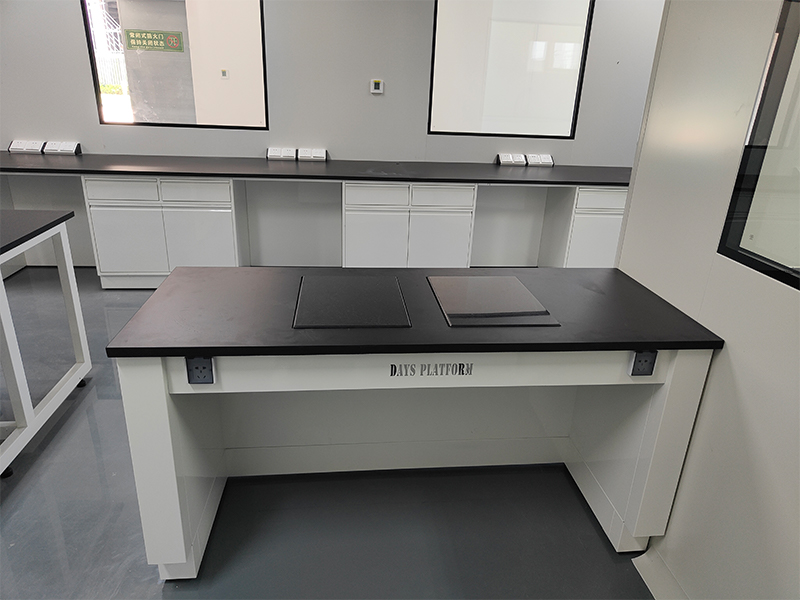
These tables aren’t just any tables. Manufacturers build them tough, with solid steel frames and reinforced legs. They usually top them off with heavy stone or granite, which does a great job soaking up vibrations. Underneath, you’ll find a layer—rubber dampers, air cushions, or some kind of shock-absorbing pad—that acts like a shield, blocking out mechanical noise so your instruments stay undisturbed.
In analytical labs, especially when you’re working with microbalances or doing gravimetric analysis, these tables keep your weighing accurate—even if the room isn’t perfectly still. Research teams in optics, pharma, or material science all count on vibration isolation to make sure their data stays reliable.
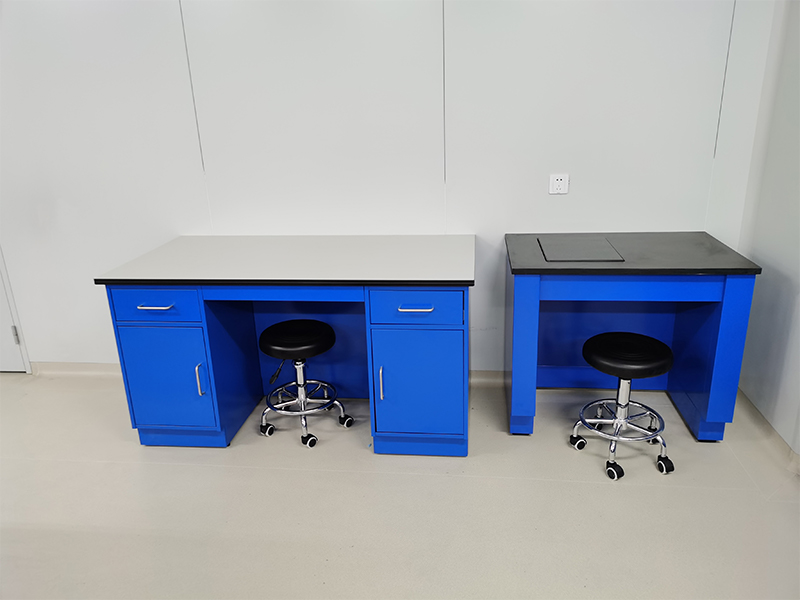
You’ll usually find these tables tucked away from heavy machinery, busy hallways, or HVAC vents. They’re built to hold precision devices without bending or warping, and most models come with adjustable feet so you can keep things level, even if the lab floor isn’t.
Bottom line: anti-vibration balance tables give your instruments the stability they need. They cut down on errors, keep your results consistent, and are absolutely essential if your lab depends on precise measurements and long-term reliability.