



When a lab director in Moscow or Saint Petersburg wants to upgrade their glassware storage, the first real decision isn’t about size or the number of shelves—it’s all about the material. That choice decides how long your cabinet lasts, what chemicals it can handle, and, honestly, how safe your lab feels every day.
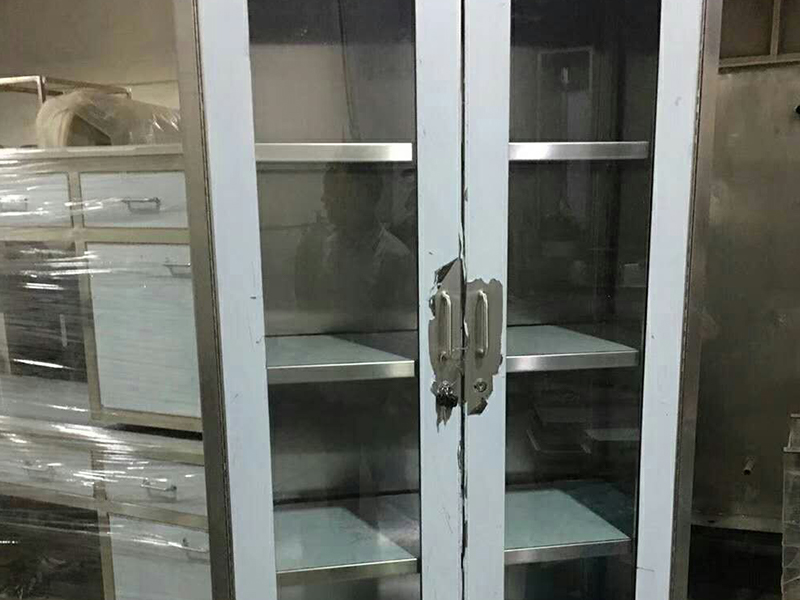
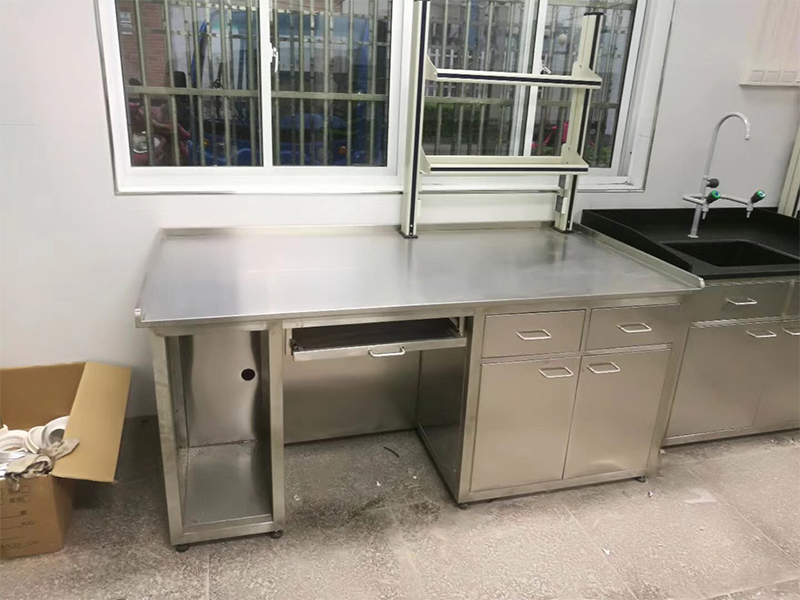
Let’s talk about stainless steel first. It’s the go-to for a reason. Grade 304 stainless steel stands up to most of the chemicals you’ll find in a typical lab. It takes daily abuse without getting scratched up or looking tired, and you can wipe it down with just about any disinfectant—no problem. Chemistry labs, biology departments, and QC facilities trust stainless steel cabinets for good reason: you’ll get 15 to 20 years out of one, and you barely have to fuss with maintenance.
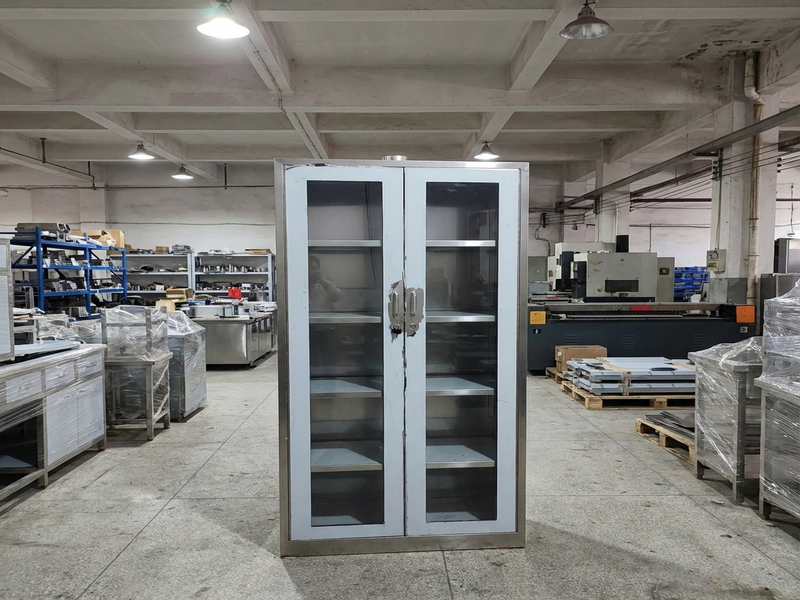
Russian labs that follow GOST standards will find stainless steel fits the bill perfectly. GOST R 57206 spells out what lab furniture needs to deliver, and stainless checks the boxes for both durability and hygiene. The smooth, non-porous surface keeps bacteria at bay, which is extra important for microbiology or pharma labs where contamination isn’t an option.
HJSLab’s stainless steel glassware cabinets use thick 1.0mm 304 steel panels, and they weld the seams with argon, so there aren’t little nooks and crannies for chemicals to hide. Inside, you get adjustable shelves with drainage holes—helps air circulate, keeps your glassware dry.
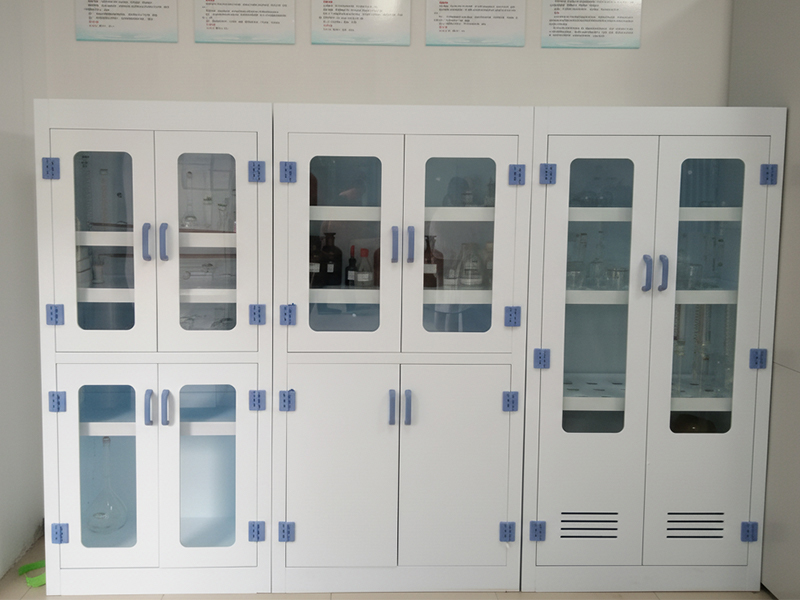
Now, if your lab deals with harsh acids or bases, polypropylene (PP) is in a league of its own. Stainless steel can’t compete when you’re talking about chemical resistance. PP shrugs off 30% hydrochloric acid, 50% sulfuric, phosphoric, acetic—you name it. Most alkaline solutions barely make a mark.
In Russia’s petrochemical and metallurgical labs, acid fumes are kind of a fact of life. Stainless steel eventually shows pitting—especially around welds—but leave a PP cabinet in the same room and it won’t blink. And every part of the cabinet—shelves, hinges, even the handles—can be made from PP, so nothing is left to corrode. HJSLab builds these from solid polypropylene sheets with hot-air welding, meaning joints are fully sealed—chemicals can’t sneak in anywhere.
So, which do you need? It comes down to the chemicals in your workflow. If you work with mostly water-based solutions, biological specimens, or mild solvents, stainless steel is your best bet. It’s tougher, handles more weight, and lasts longer when corrosion isn’t a big threat.
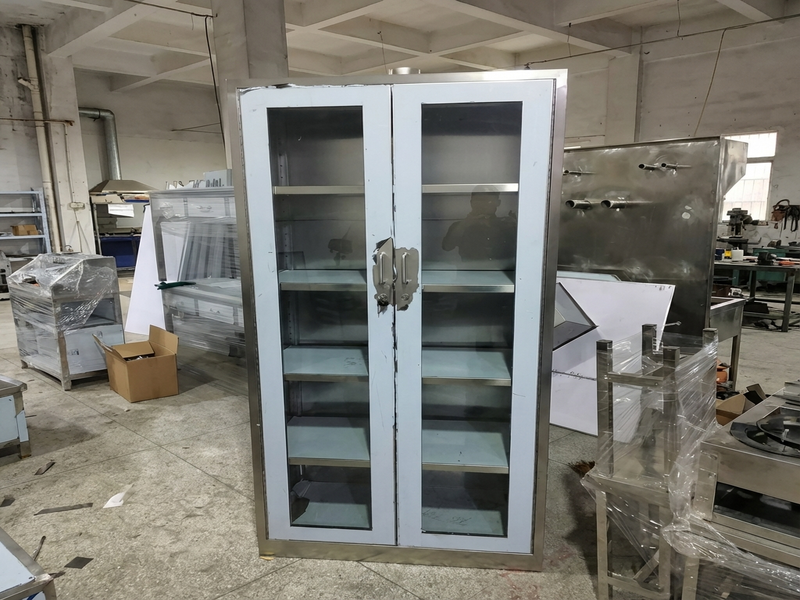
If your lab sees a lot of concentrated acid, if acid fumes float around the room, or if you know your chemicals attack metal, go with PP. Sure, it costs more up front, but in a harsh environment, it lasts so much longer that you come out ahead.
A lot of labs use both—stainless in the prep rooms and PP where the chemistry gets roughest. HJSLab can set up custom solutions so you get the right material in the right place.
If you’re not sure what fits your lab, reach out to HJSLab for a free consultation. They’ll help you sort out what works best for your specific setup.