




Why Vibration Is the Silent Enemy of Precision
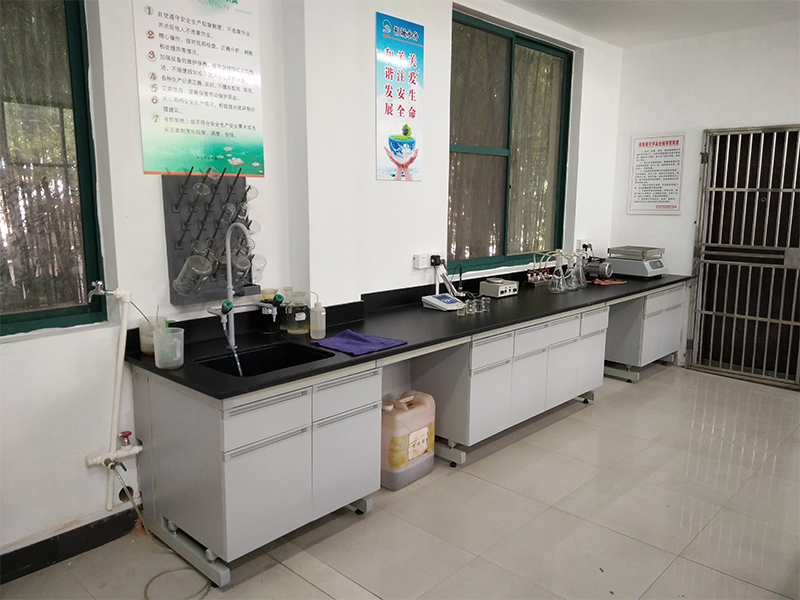
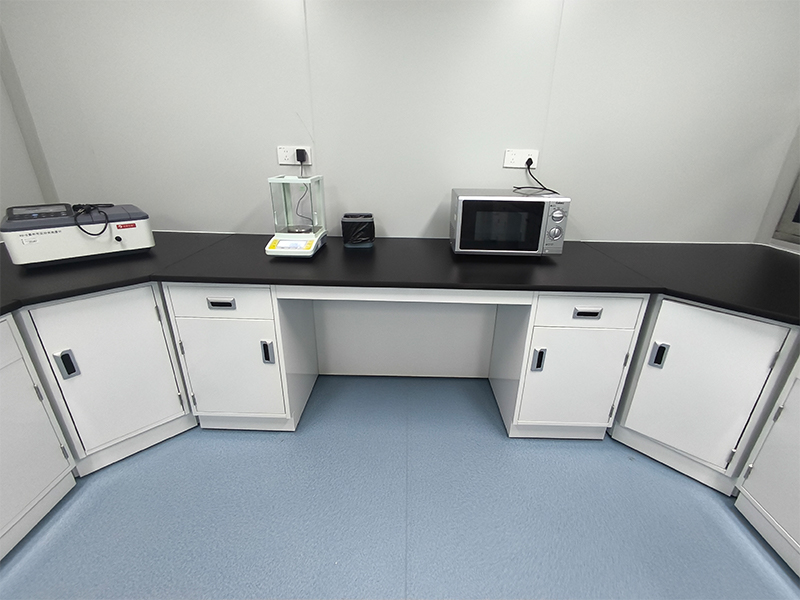
In any analytical laboratory, whether it is located in Moscow, Saint Petersburg, or Novosibirsk, vibration is one of the most underestimated threats to measurement accuracy. An electron microscope, an analytical balance, or a spectrometer can produce wildly inaccurate readings if the laboratory bench beneath it transmits even minor vibrations from foot traffic, HVAC systems, or nearby equipment.
The problem is invisible. You cannot see a 5-micron vibration, but your instruments certainly feel it. For laboratories that handle calibration work or produce data for regulatory submissions under GOST standards, this is not just an inconvenience — it is a compliance risk.
The Physics Behind Anti-Vibration Lab Bench Design
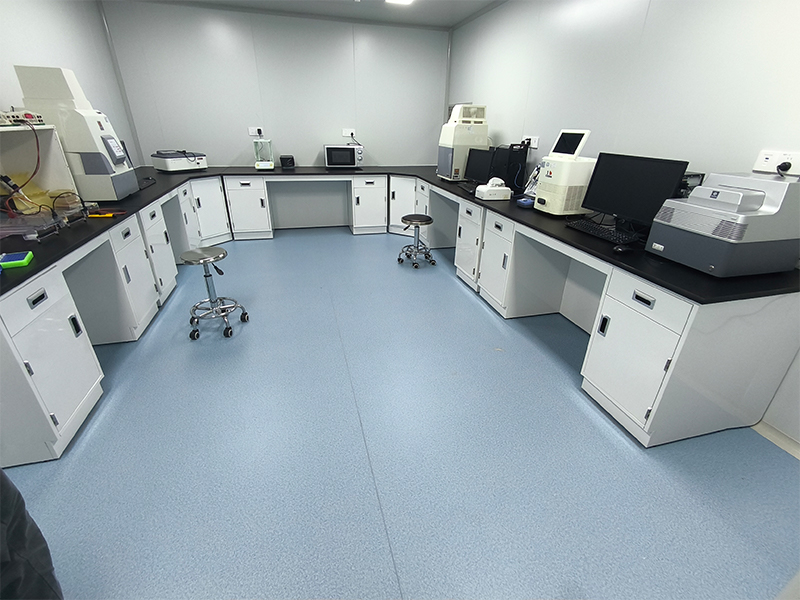
Effective vibration isolation in a laboratory bench works on three principles. First, mass — a heavier bench naturally resists vibration transmission. Second, damping materials absorb vibrational energy and convert it to heat. Third, isolation — decoupling the work surface from the building structure prevents external vibrations from reaching sensitive instruments.
HJSLab anti-vibration laboratory benches combine all three approaches. The bench frame uses heavy-gauge steel construction with a total weight exceeding 150 kg for the frame alone. Integrated elastomeric damping pads at each support point absorb vibrations across a frequency range of 5–200 Hz, which covers the most common sources of laboratory vibration. The work surface sits on isolation mounts that decouple it from the frame, creating a two-stage isolation system.
Meeting GOST Requirements for Laboratory Equipment
Russian laboratories operating under the GOST R system face specific requirements for equipment stability. GOST 12.2.033-78 establishes workplace ergonomic standards, while GOST R 52931-2008 covers general technical specifications for measuring instruments that indirectly affect bench requirements. For metrology laboratories seeking accreditation, the stability of the work surface is a documented requirement.
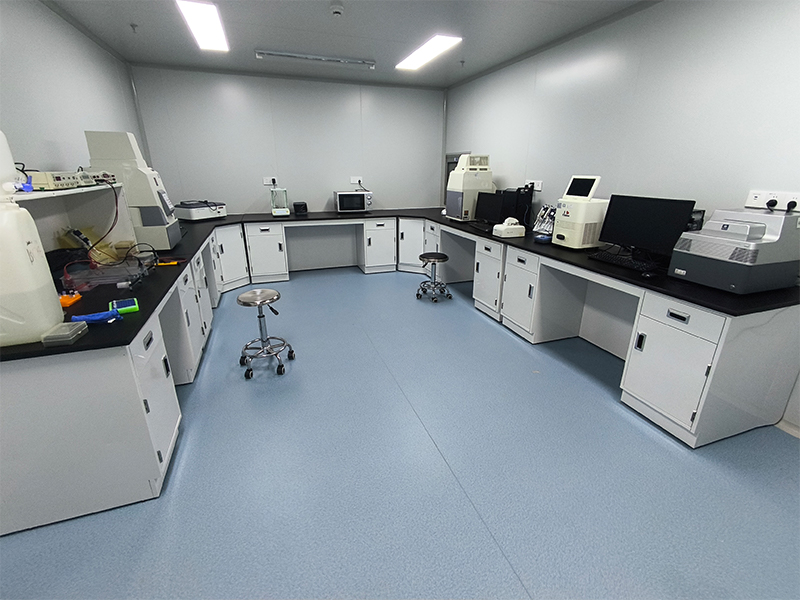
HJSLab designs its anti-vibration laboratory bench solutions with these standards in mind. Each bench can be configured with granite or composite stone work surfaces that provide both chemical resistance and superior vibration damping. The natural density of granite (approximately 2.7 g/cm³) makes it an excellent material for absorbing high-frequency vibrations that elastomeric mounts alone cannot eliminate.
Choosing the Right Anti-Vibration Solution
Not every laboratory bench needs the same level of vibration protection. A routine chemistry lab bench requires minimal isolation, while a scanning electron microscope room demands the highest grade. HJSLab offers three tiers of anti-vibration laboratory bench solutions: standard damping feet for general lab work, passive isolation systems for analytical instruments, and active pneumatic isolation platforms for the most sensitive applications.
For Russian research institutions and industrial laboratories looking to upgrade their equipment, starting with a proper vibration assessment is the first step. HJSLab provides consultation services to evaluate your specific laboratory environment and recommend the most cost-effective anti-vibration bench configuration. Contact our team to discuss your laboratory bench requirements and receive a tailored solution.