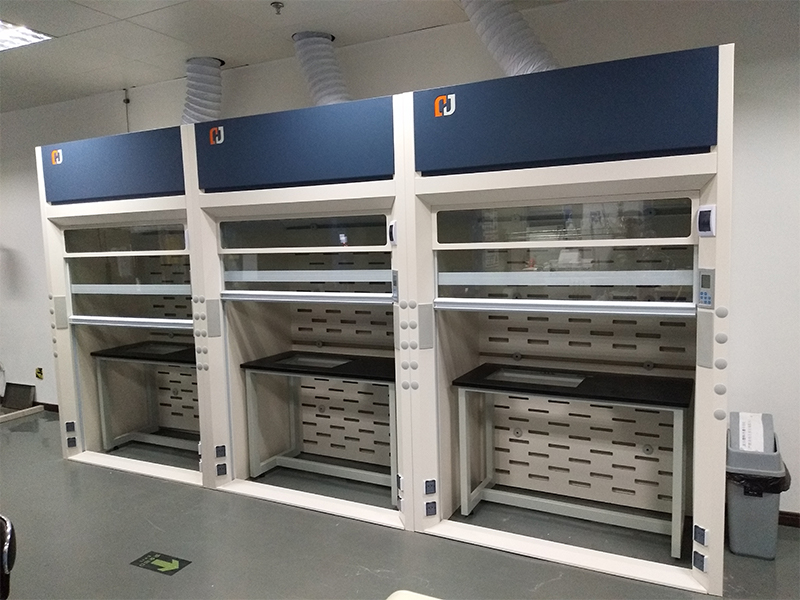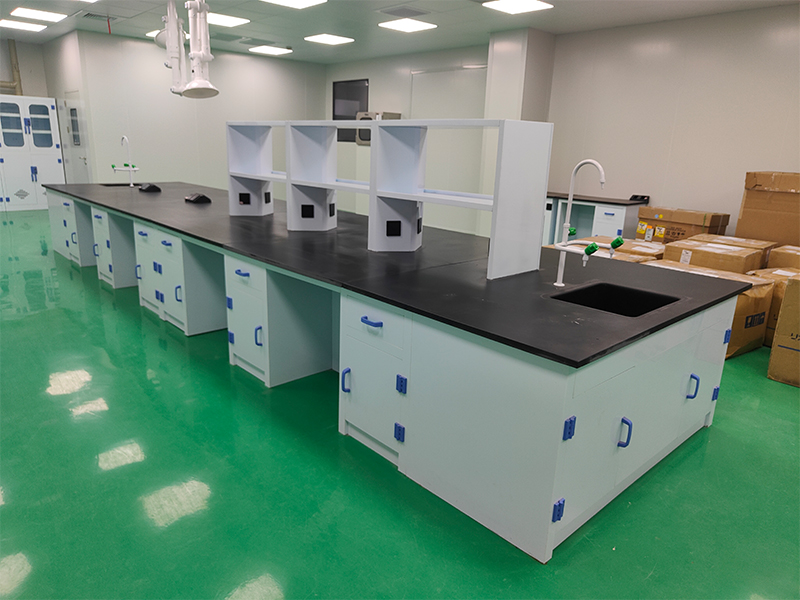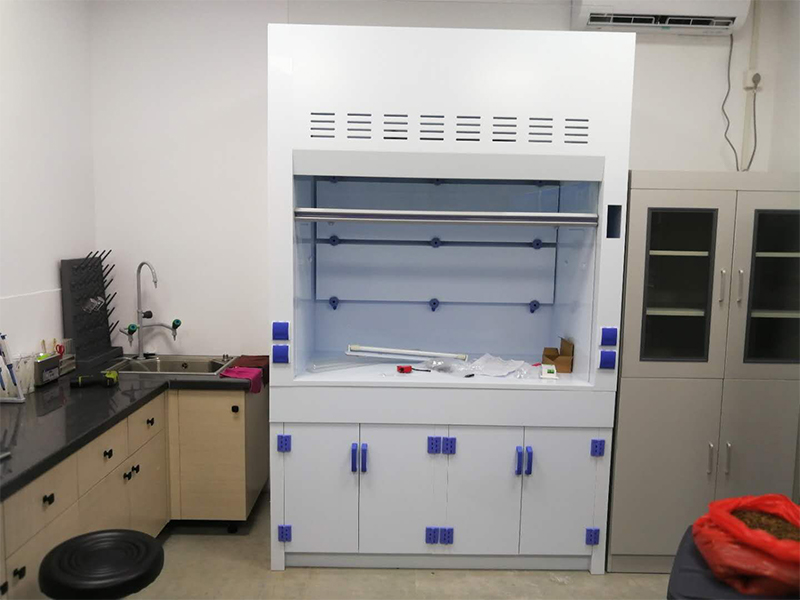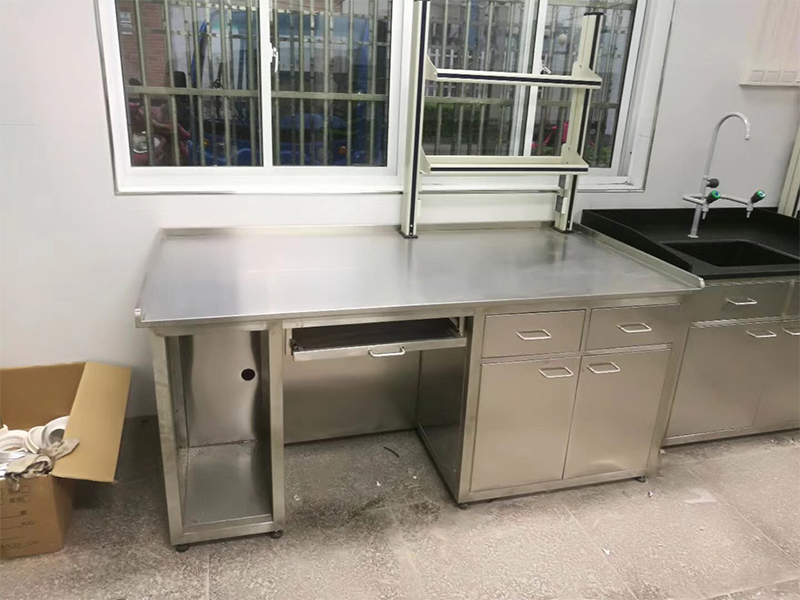





Running a fume hood in Russia's climate is expensive. During Moscow's winters, when outside temperatures drop below -20°C, every cubic meter of air a fume hood exhausts has to be replaced with fresh air that needs heating from -20°C to room temperature. That's a massive energy bill — and most Russian labs are still using constant air volume (CAV) hoods that exhaust the same amount of air whether someone's actively working at them or not.
What VAV Actually Changes
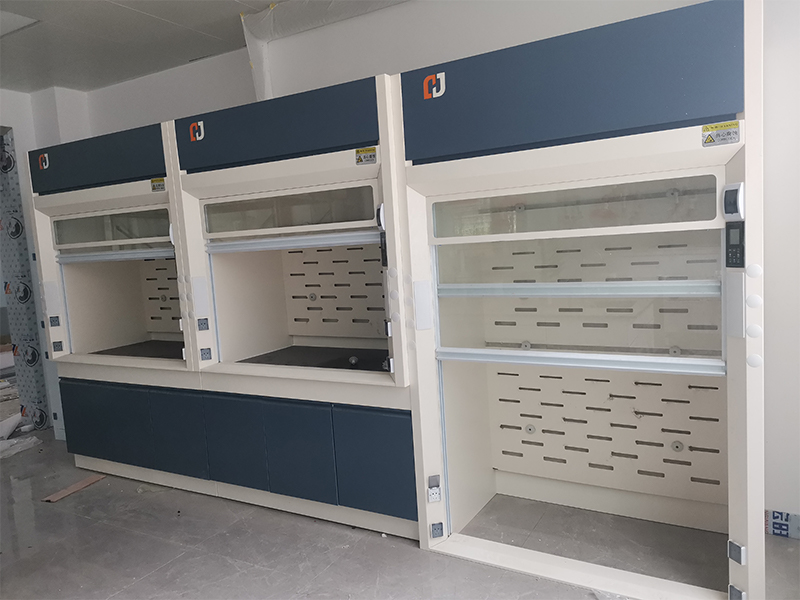
A Variable Air Volume fume hood adjusts its exhaust rate based on the sash position. When the sash is fully open and someone's working, the hood pulls maximum airflow to maintain 0.5 m/s face velocity. When the sash is half-closed, airflow drops proportionally. When the sash is fully closed — which is most of the working day for many hoods — airflow drops to a minimum level, typically about 25% of maximum.
The math works out dramatically. A standard 1.8-meter CAV fume hood in a Moscow lab exhausts roughly 2,500 m³/h constantly. Heating that replacement air from -20°C to 22°C costs serious money. Switch to VAV, and when the sash is closed (let's say 70% of the time), you're only exhausting about 625 m³/h during those periods. The energy savings across a Russian winter — October through April — add up fast.
Real-world data from similar projects shows 40-60% reduction in HVAC energy costs per hood after VAV conversion. For a research facility with 20+ fume hoods, that's a substantial annual saving that typically pays back the VAV investment within 2-3 years.
How VAV Controllers Work
The system has three main components: a sash position sensor (usually an ultrasonic or magnetic sensor mounted on the hood frame), a VAV controller with PID logic, and a motorized damper or variable-speed fan drive.
When you raise the sash, the sensor detects the change within milliseconds. The controller calculates the required airflow to maintain 0.5 m/s face velocity at that sash opening and adjusts the damper or fan speed accordingly. Response time matters — HJSLab's controllers achieve full adjustment within 3 seconds, fast enough that face velocity never drops to unsafe levels during normal sash movement.
The controller also monitors actual face velocity with a thermal anemometer probe. If measured velocity deviates from the setpoint by more than 10%, an alarm activates. This dual verification — calculated plus measured — provides redundant safety.
Adapting to Russian Building Systems
Russian research buildings, especially those built during the Soviet era, typically use centralized ventilation systems with large AHUs (air handling units). Retrofitting VAV fume hoods into these systems requires careful integration.
HJSLab's approach for Russian installations uses a venturi valve at each hood instead of a motorized damper. Venturi valves are pressure-independent, meaning they maintain the correct airflow regardless of pressure fluctuations in the main duct system. This is critical when multiple VAV hoods share a common exhaust duct — which is the typical Russian lab configuration. When one hood opens its sash and demands more air, the venturi valves on other hoods automatically compensate to maintain their setpoints.
The building's AHU supply fan also needs variable speed control to match the changing exhaust volume. Without this, creating negative pressure in the lab becomes inconsistent. HJSLab coordinates with HVAC engineers to install VFDs (variable frequency drives) on supply fans during VAV conversions.
Safety and GOST Considerations
Russian laboratory safety requirements under GOST R standards demand minimum face velocity of 0.5 m/s during active use. VAV systems fully comply — they maintain this velocity whenever the sash is open. The difference is they don't waste energy maintaining high airflow when the sash is closed.
Every HJSLab VAV installation includes continuous face velocity monitoring with data logging. This documentation helps Russian labs demonstrate regulatory compliance during safety inspections. The system stores 12 months of airflow data, including any alarm events.
One concern that Russian facility managers sometimes raise: what happens during a power outage? HJSLab's VAV controllers include battery backup that opens the damper to its maximum position if power is lost, defaulting to maximum exhaust — the safe condition.
Getting Started with VAV
Retrofitting existing CAV hoods to VAV is straightforward with HJSLab's system. The conversion doesn't require replacing the hood itself — just adding the sash sensor, controller, and venturi valve. Most conversions take one day per hood with minimal lab downtime. For Russian research institutions looking to cut energy costs without compromising safety, VAV conversion is one of the highest-ROI investments available. Contact HJSLab for a technical assessment of your facility.