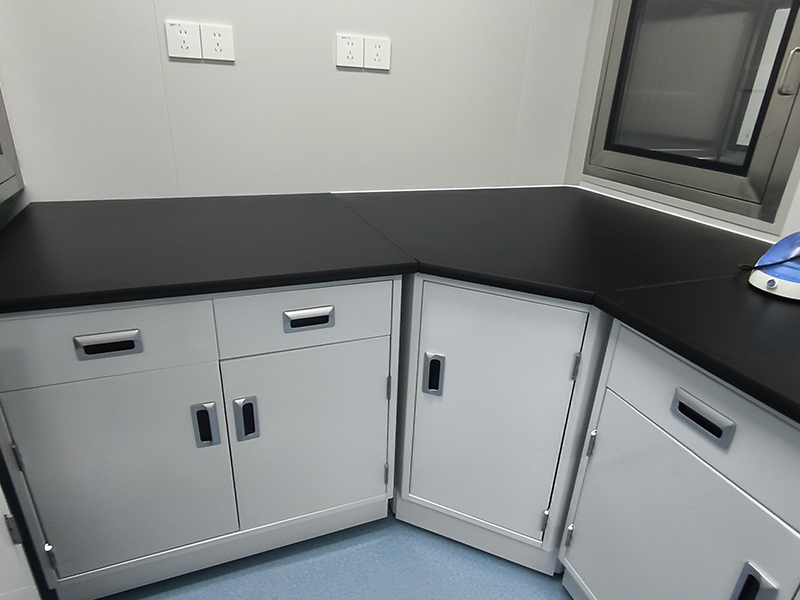




In Russia, research labs face some of the toughest conditions out there. Think Siberia’s freezing geology stations or Moscow’s cutting-edge pharma labs. In these places, lab benches don’t just need to look sturdy—they have to survive daily punishment. If the frames or worktops fail, research grinds to a halt. There’s really no room for flimsy furniture here.
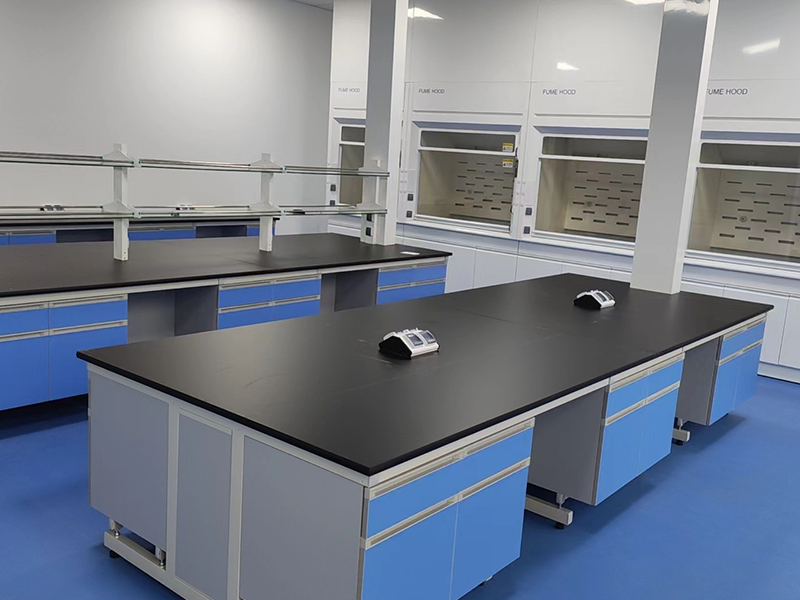
Let’s talk load-bearing. Russian labs don’t mess around. It’s common to see equipment tipping the scales at several hundred kilos. The best benches for these spaces come with reinforced steel frames, often welded (not just bolted), so they can easily handle more than 500 kg per metre—even with the floor shaking from heavy machinery.
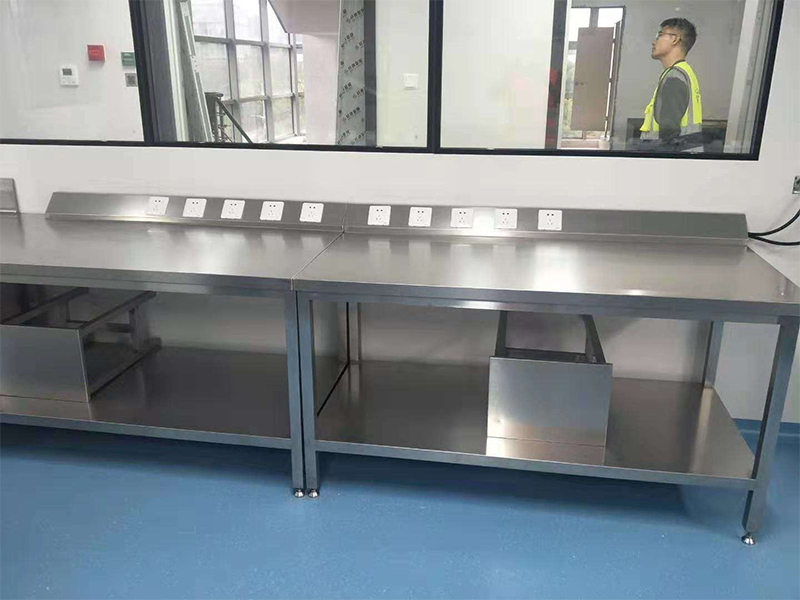
Chemical spills and wild temperature swings are part of the job too. That’s why you want worktops made from phenolic resin, epoxy, or stainless steel. These materials shrug off acids, solvents, and whatever else gets thrown at them. Plus, they stay rock-solid whether it’s -20°C or a steamy 60°C in the room.
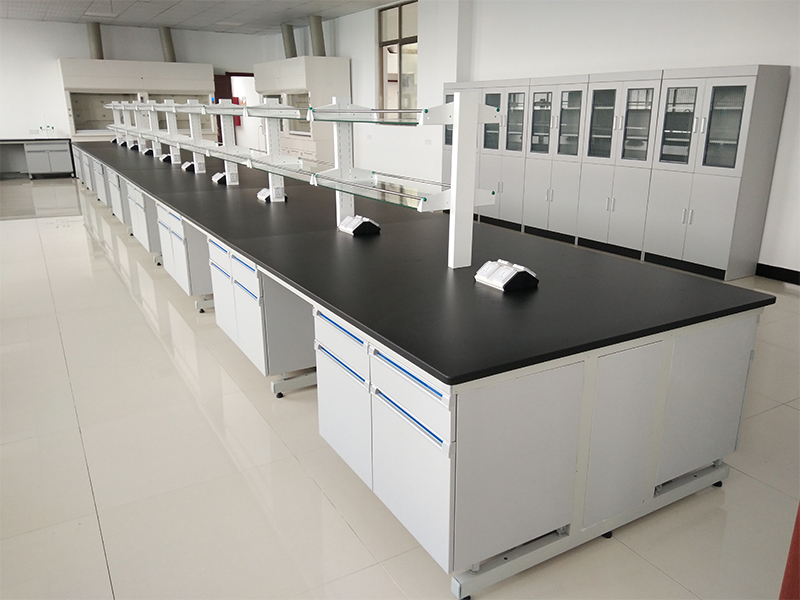
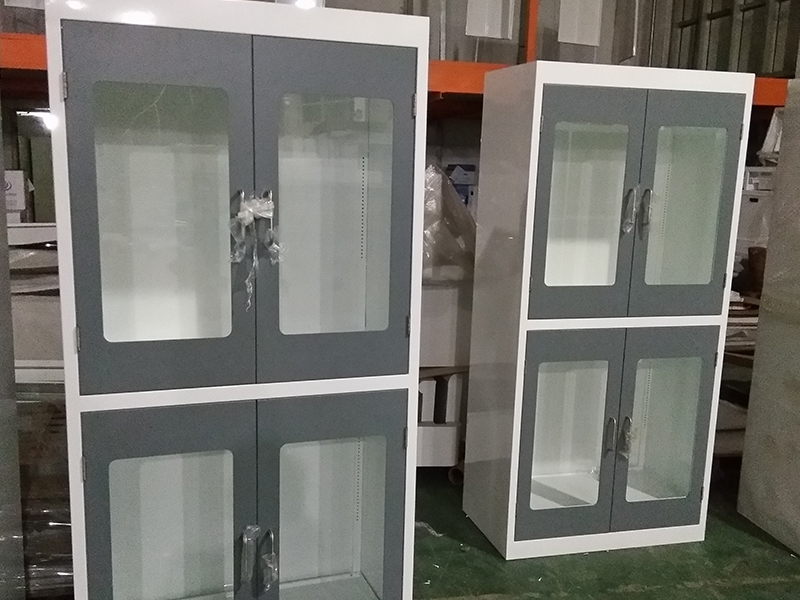
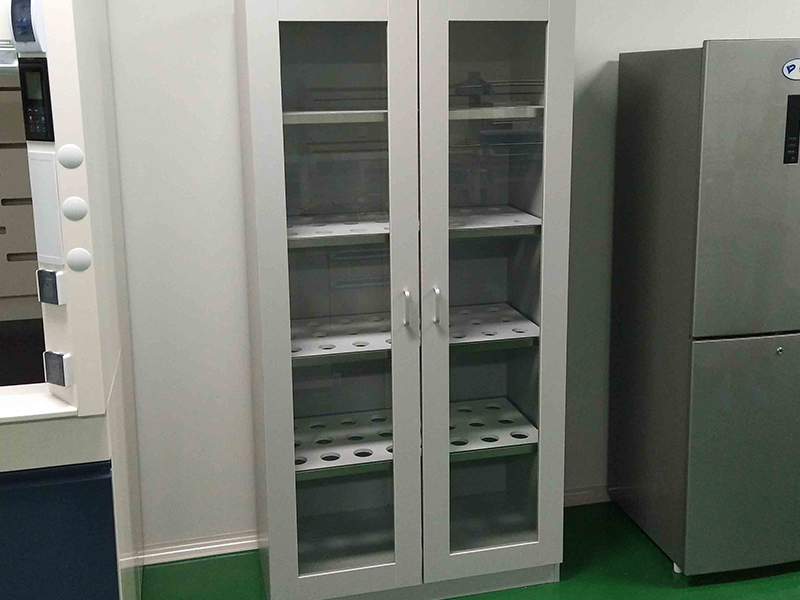
Framework matters. Go for powder-coated steel or stainless steel, especially if your lab’s humid or you’re doing constant decontamination. Stainless steel, in particular, won’t rust and it makes cleaning faster—always a win.
Here’s something that sometimes gets overlooked: comfort. Even the toughest benches now come with height adjustments and ergonomic features. When benches are easy to use, people get more done and injuries drop. Simple as that.
And don’t forget compliance. Make sure your lab benches meet GOST and international ISO standards. Certified benches aren’t just about ticking boxes—they keep your team safe and your investment sound for years to come.