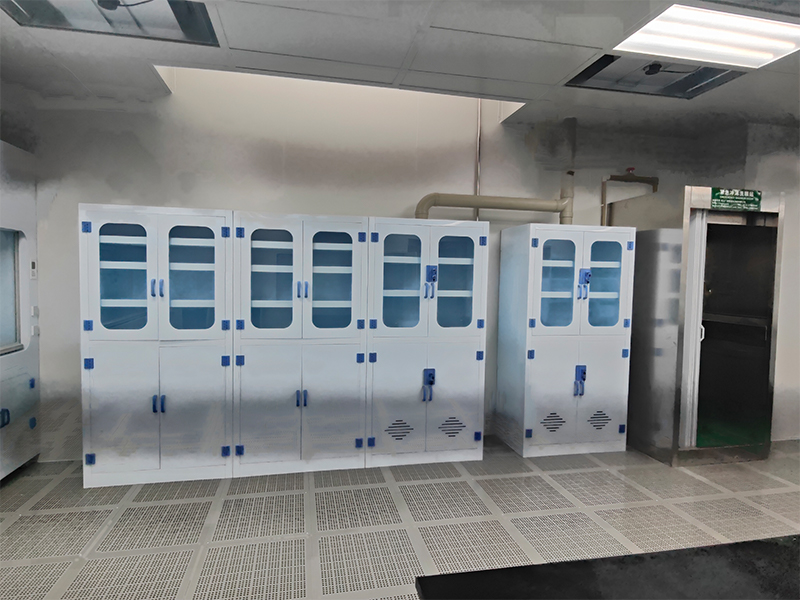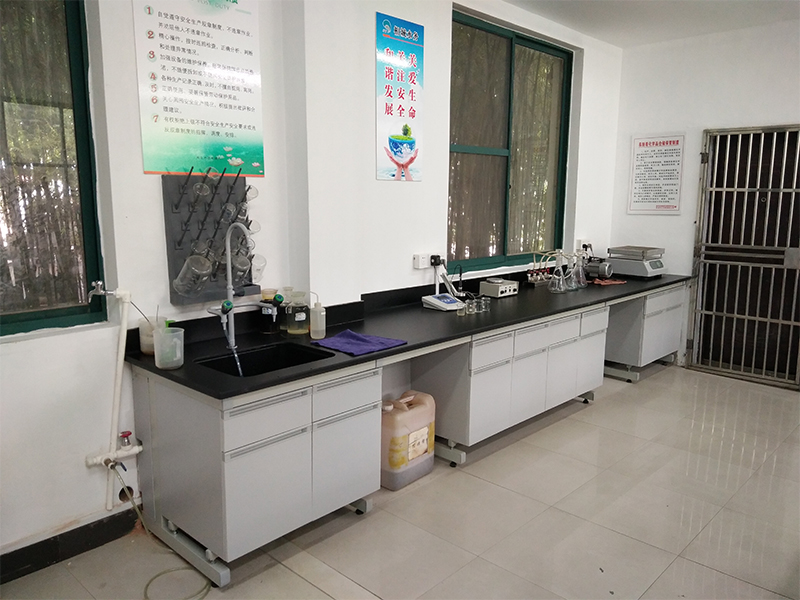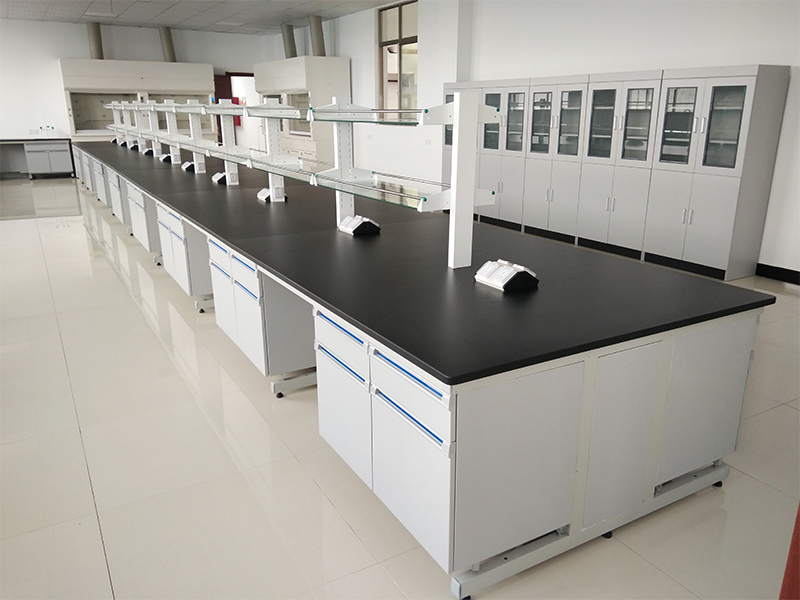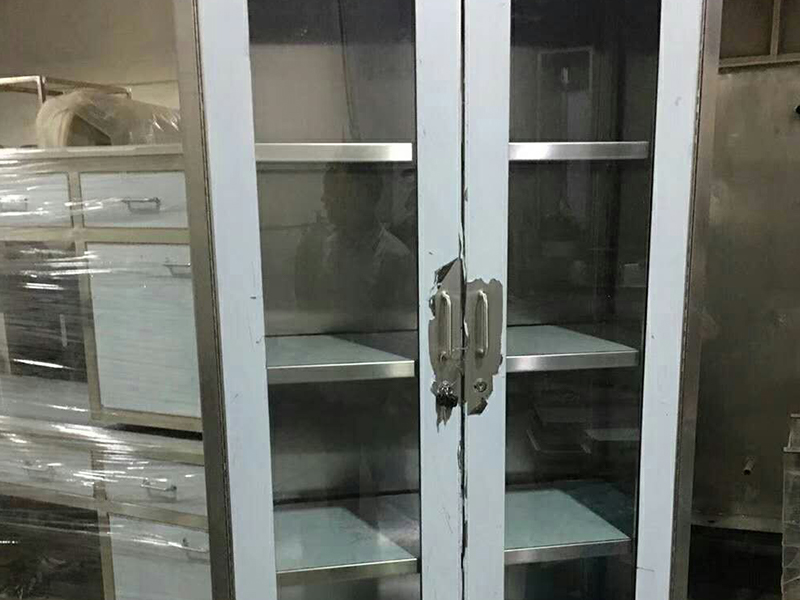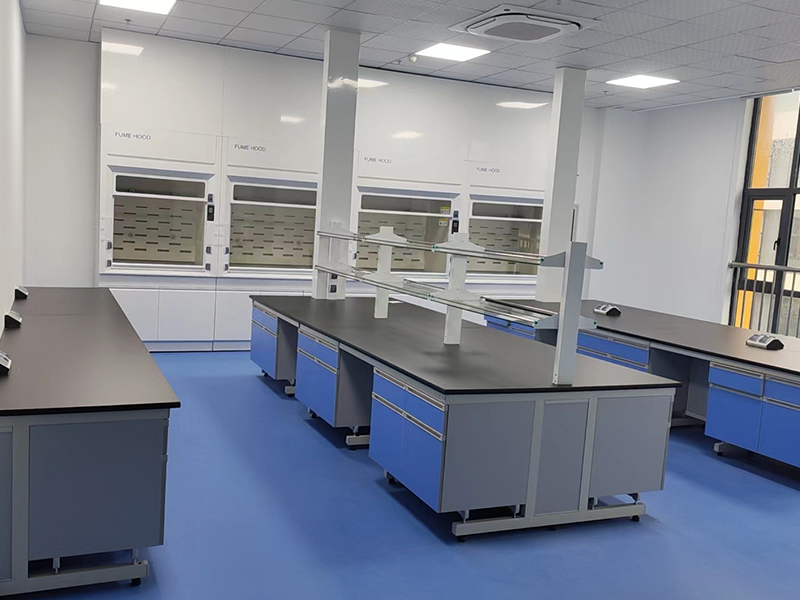





Lab fume hoods are a must in any chemistry lab. They protect people from dangerous vapors, toxic gases, and the kind of airborne particles you really don’t want to breathe in while running experiments. Good ventilation matters, especially when you’re dealing with stuff that can evaporate or react in the air. That’s where fume hoods come in—they pull contaminated air away from the workspace and get rid of it, keeping the lab safer.
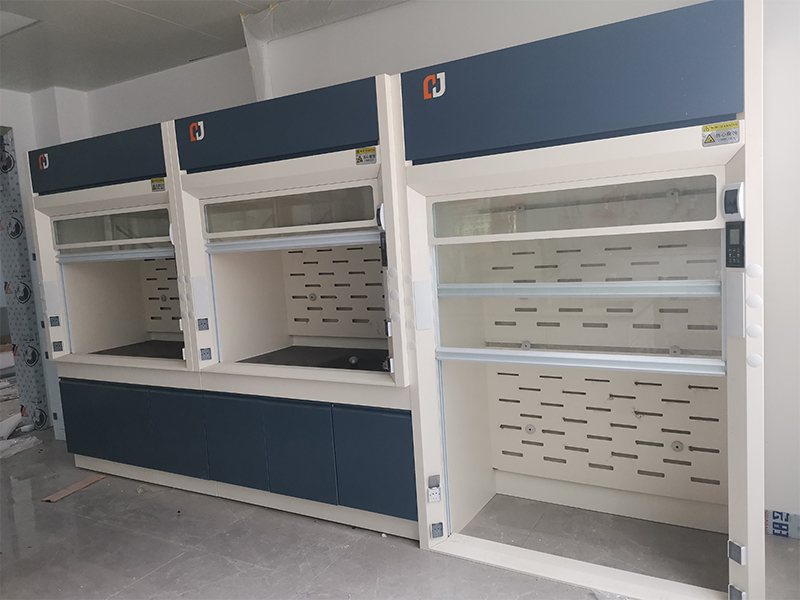
Here’s how it works: the fume hood draws air in from the lab, pulls it across the area where you’re working, and then sends that air—now carrying any chemical fumes—out through a duct system. Sometimes it goes straight outside, sometimes it passes through filters first. Either way, this steady airflow keeps toxic stuff from hanging around or spreading through the lab.
Modern fume hoods don’t just rely on airflow. They come with extra safety features. You’ve got airflow monitors to make sure the air’s moving at the right speed, and adjustable glass sashes that you can slide up or down. Lowering the sash gives you a physical shield between you and whatever you’re working on. It’s a simple thing, but it really matters.
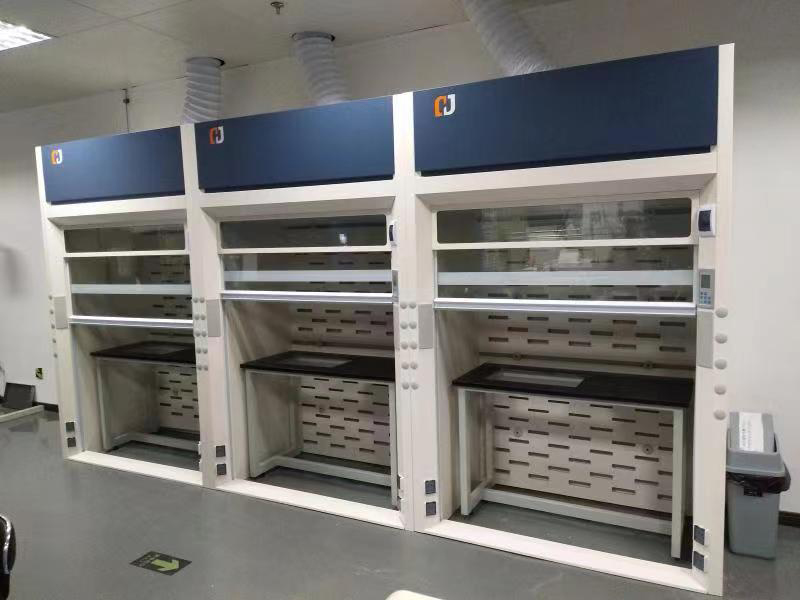
Huajusheng fume hoods take it a step further. They use materials that can handle harsh chemicals without corroding over time. The ventilation inside is designed to keep the airflow smooth and steady, so you don’t get turbulent spots where fumes might slip out.
You’ll find these systems all over the place: research labs, pharmaceutical companies, schools, and industrial testing labs. When labs install well-designed ventilation like this, they cut down the risk of chemical exposure and make the whole workplace safer for everyone.